-
Grand Central Terminal – Malakai Henry-Geraghty
You May Also Like
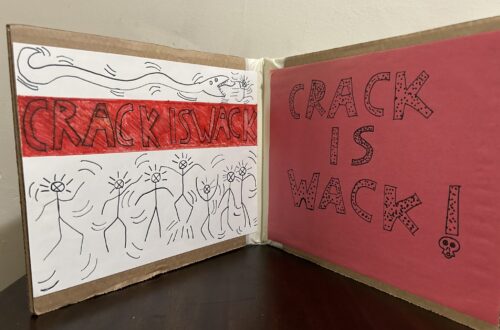
Jayden Blumberg- Crack is Wack Mural
-
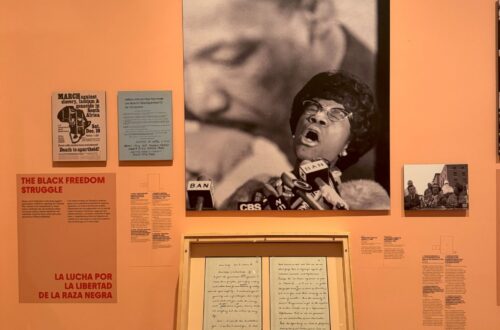
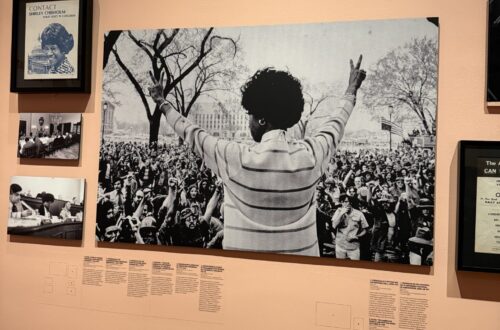
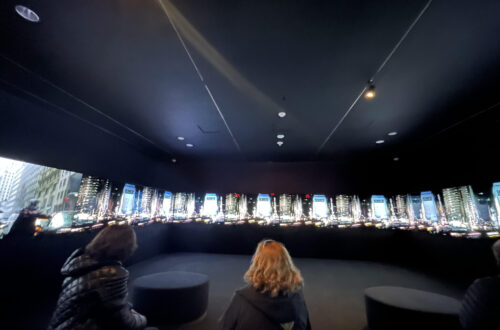
Discussion Post 6: Museum of the City of New York
The safer city writing had caught my attention due to its representation of a turning point in New York’s history. The writing talks about the 1990’s and the change New York City was going through in that period of time. One specific change, the changing landscape of Times Square, was one that really caught my attention. I did not know that Times Square was once a place where X-rated movies were popular. This is a very different scene than the Times Square we have today which is a major tourist attraction and more family friendly. Another change that was brought up was also the lower crime rate experienced in New…
-
Discussion Post #5 – Spectacle of the Other in Madama Butterfly
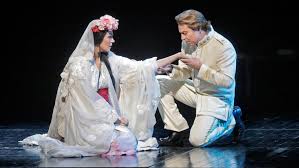
Stuart Hall’s chapter. The Spectacle of the Other, gives the readers a more clear understanding of representation in the Opera Madama Butterfly. In this chapter, Hall states “But this only served to confirm the fantasy among whites of their ungovernable and their excessive sexual nature”. Hall said this in reference to the power White Americans had over Black slaves, however, this same power can be seen in Madama Butterfly. In act two, we see Pinkerton’s excessive sexual nature when he writes a letter to Butterfly explaining that he has taken another wife in America. This goes along with Hall’s reading that White’s have an excessive sexual nature. Later, in act…
-
Discussion Post 3: Suffs on Broadway
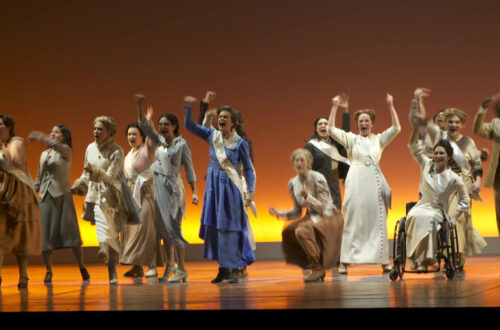
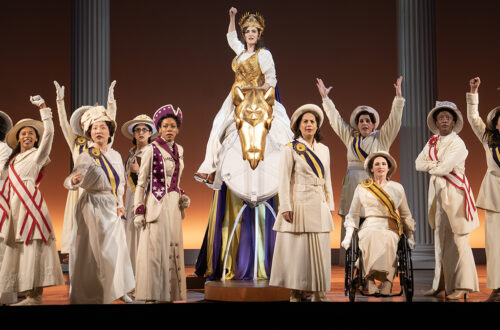
The musical of Suffs on Broadway approaches the representation of the women’s suffrage movement through showing the sacrifices and hardships the women had to endure to gain the right to vote. The show represented both the highlights and the lowlights of their movement. It represented the marches and the times they felt proud about their movements along with the times they had to sacrifice their families and were thrown in jail. The show not only represents the hardships of women at the time but also black women who had to overcome race tensions as well. The challenges that they may have faced while creating this was the accuracy of their…
-
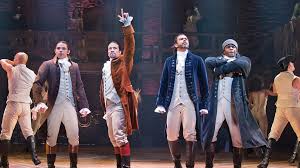
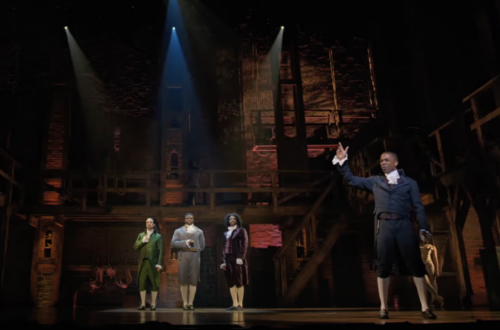
Discussion Post 3: Representation in Hamilton – Malakai Henry-Geraghty
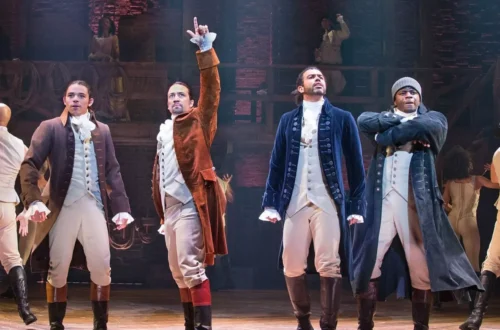
Hamilton defies societal norms by reimagining American history with the use of minority characters as well as broadway’s norms by adding in music that is more listened to by minorities. One character that truly embraces the change is Thomas Jefferson. Throughout the play, Thomas Jefferson uses a partial Jamaican accent as well as Jamaican words. One example of this is in the song “We Know” where Aaron Burr, James Madison, and Thomas Jefferson all sing “Ya best g’wan run back where you came from”. The sentence itself can be interpreted as using a Jamaican accent however the specific use of the word “g’wan” helps tie the meaning together more as…
-
Malakai Henry Geraghty – Discussion Post 2
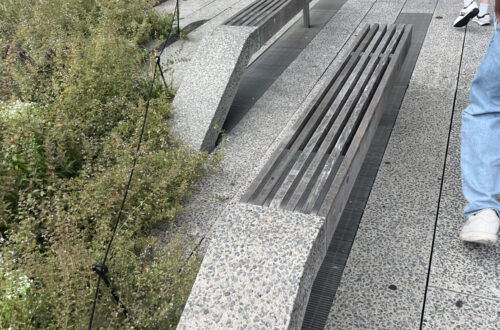
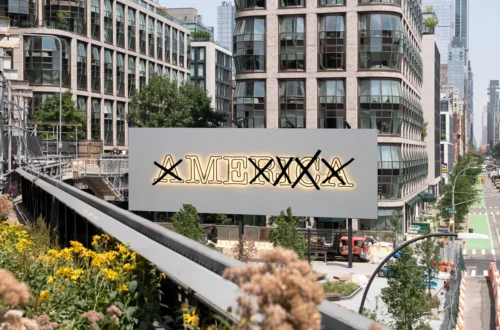
Part 1: This photo presents the overlook on the High Line. This overlook features wooden stairs that lead to benches laid within rows that point to four glass windows, surrounded by metal, overlooking 17th street. The metal of the structure helps create a New York City feel representing the metal used in Subway stations, buildings and bridges. The wood in this overlook gives it a feeling of simplicity. This feeling of simplicity keeps your eyes drawn to the glass and the view of the overlook and helps to not draw the attention of the onlookers eyes. The structure as a whole creates a theater-like atmosphere. The way the stairs descend…
-
Malakai Henry-Geraghty: Discussion Post 1
“Martin, Into the Corner, You Should Be Ashamed of Yourself” is a sculpture by Martin Kippenberger created in 1992. The sculpture depicts a boy named Martin standing in the corner with his hands behind his back, his head and shoulders pointed down, wearing a white button up dress shirt with the globe on it, red suspenders, blue jeans, and a dark brown pair of shoes. The Martin from the sculpture is most likely the artist himself as they both share the same name. Martin may be depicting a memory he had from his childhood where he committed a bad action and was told to go to the corner by his…