Post 4
-
Lesley’s Discussion Post 4
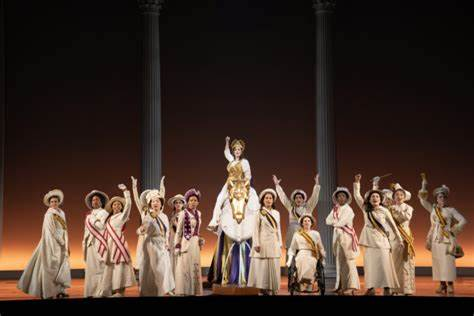
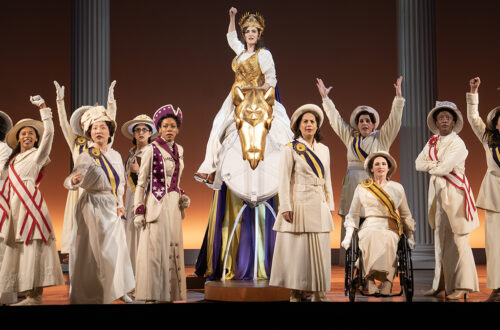
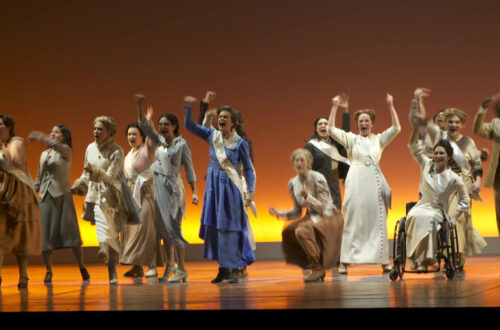
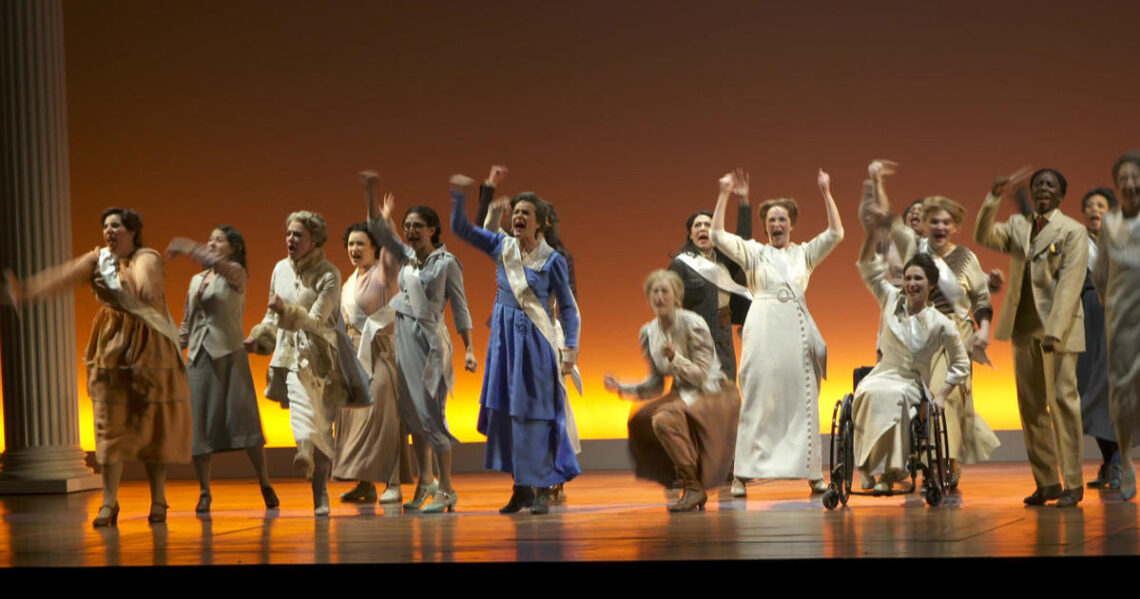
I really enjoyed Suffs, and thought that the inclusion of black women’s parallel fight for suffrage was mindful. It didn’t focus purely on suffrage for white women nor paint the main characters as completely morally correct— Ida B. Well’s script and performances highlighted the oppression of black women, not excluding injustices perpetrated by white women as well. Some potential challenges and responsibilities of portraying history in contemporary theater might include the language used, as well as not only telling a singular story in a fight that included so many people and groups. The suffrage movement was not without internal tension, between both the white women, black women, and with each…
-
Jayden Pooran – Discussion Post 4
The musical Suffs on Broadway approaches the representation of the women’s suffrage movement by displaying the protests women participated in and the tactics they practiced to gain the right to vote. Some of these tactics included hunger strikes which represented resistance and a form of protesting. I believe this was a powerful part of the play because it really showed the distances these women went in order to gain support and it also displayed their perseverance. The fact that they were imprisoned also reveals the resistance they faced, but, instead of giving up, they refused to eat the food they were given. It is inspiring because the suffragists were the…
-
Kevin Joseph’s Discussion Post #4
-
Finley Nguyen — Discussion Post 4
Suffs on Broadway approaches the representation of the women’s suffrage movement in an easily digestible, contemporary reimagining, similar to how Hamilton attempted to represent the American Revolution through the lens of the founding fathers. Arguably, Suffs reimagined its historical event better, because it directly confronts the exclusion of African American suffragists multiple times throughout the musical while still bringing attention to their contributions, and features cross-gender casting. A challenge that these historical representations in contemporary theater often encounter is their portrayal of minority figures—what constitutes as authentic and meaningful representation? In reimagining, there is a balance between creative liberty and the responsibility of maintaining historical accuracy. What really stuck out…
-
Chelsea Tanchez – Discussion Post 4
The musical Suffs approaches the representation of the women’s suffrage movement by having the cast include many women that aren’t talked much about in history like Inez Milholland, yet they left a big impact on the movement. The musical attempts to connect the past with the future, which works very well with today’s recent events of the presidential elections. By seeing the struggles that women had to endure for the right to vote gives the audience a burden and responsibility to go vote this election and appreciate the right that they fought so hard for. One of the more impactful songs from the play is The March (We Demand Equality).…
-
-
Shimon Jeselsohn Discussion Post 4
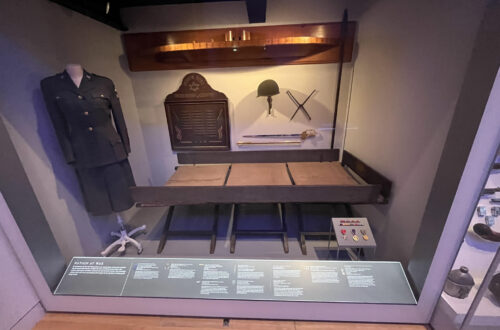
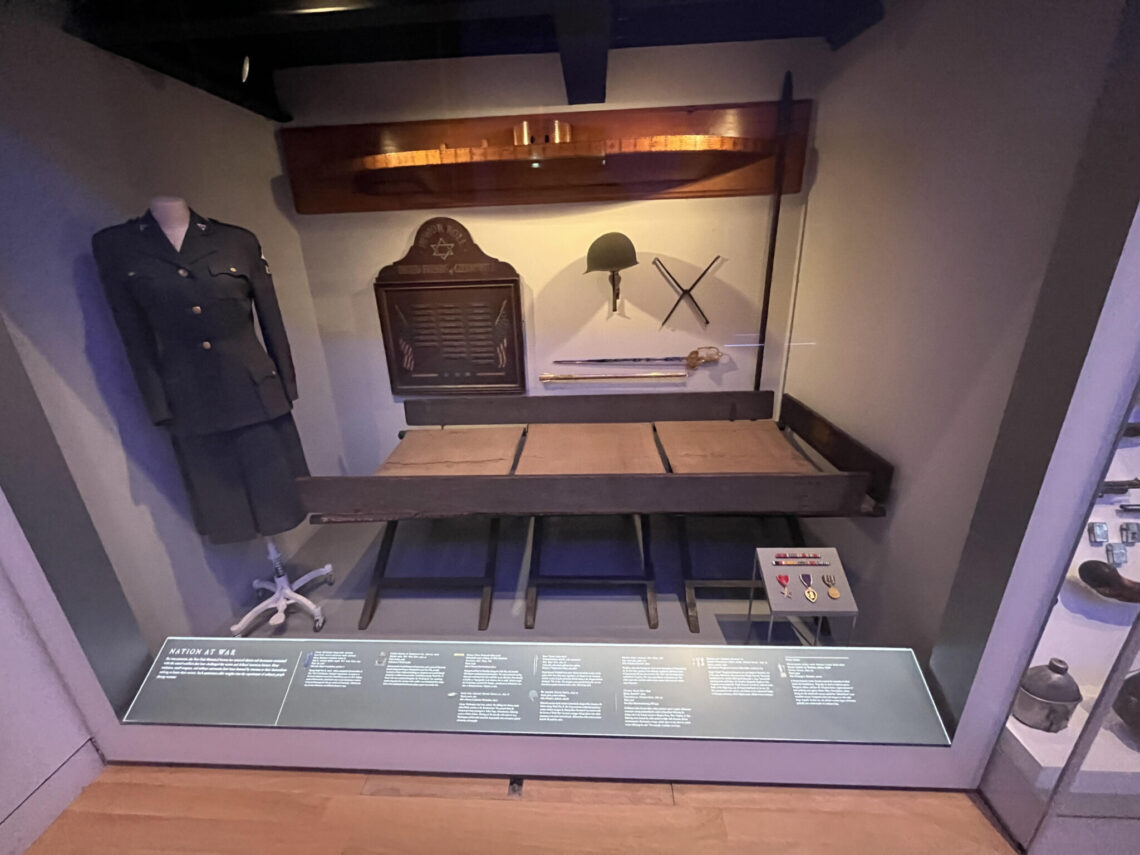
I enjoyed visiting the Historical Museum and a lot caught my eye. After hearing the guest lecture and getting the tour from Dr. Aliano I was able to use the ideas I learnt and apply it to the visit. To focus on one object I’ll talk about George Washingtons cot. When we encountered this we used Object Inquiry to decipher it. First, from just observing it I was able to realize that it was an old-style bed of some sort, I first assumed it was a hospital bed. Then we realized it was portable which means it was probably used for wartime during the Revolutionary War. After taking in all…
-
Bosco Wong – Discussion Post #4
When I was watching Suffs, the line “Why are you fighting me, I am not the enemy!” really stood out to me because it perfectly captures the contradictory nature of the government’s stance during the women’s suffrage movement. It highlights the disconnect between Woodrow Wilson’s public statements and the women’s actual suffering, which led to internal conflicts and pitted suffragists against each other. Wilson was depicted as paying lip service to their efforts, claiming they were being treated well in jail, but in reality, they were enduring harsh conditions, with Alice Paul even going on a hunger strike during her imprisonment. Another thing that stood out was the adversity the…
You May Also Like

Jayden Pooran’s Discussion Post 1